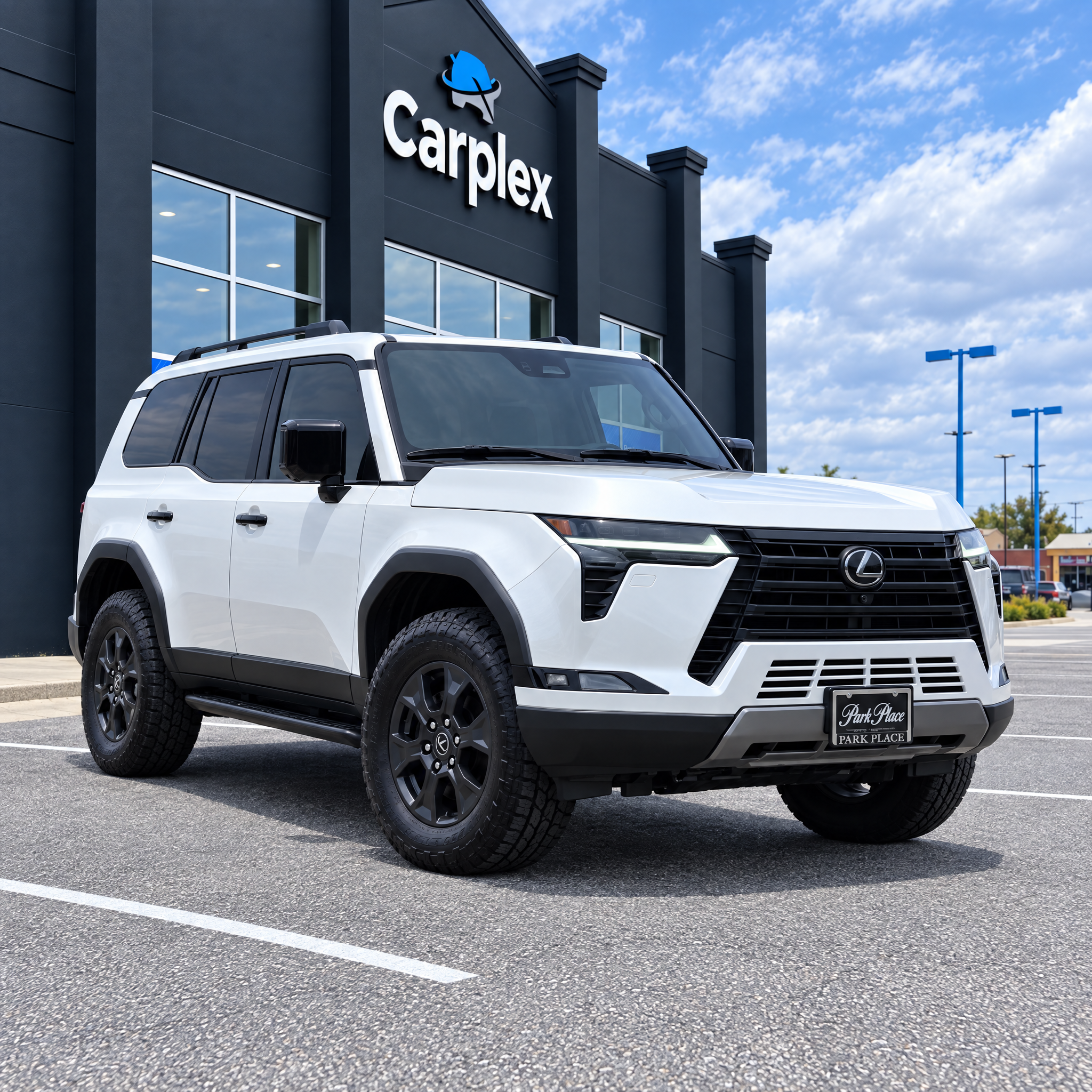
Using AI vehicle images honestly: a dealer's guide for the EU, UK and US
What the EU AI Act, UK consumer law and US advertising rules mean for AI showrooms, retouched photos and generated films — how Listwyse keeps used vehicles true to life, plus copy-ready disclosure wording.
TL;DR
Showing a real car in an AI-generated showroom is fine in all three markets, as long as the car itself is shown as it really is. Listwyse is built to keep each vehicle — including its wear on used stock — true to your photos. Add a short label to AI-generated scenes and films, and you're covered in the EU, UK and US.
Why this matters now
AI has made showroom-quality photography affordable for every car on the lot. Buyers benefit — clearer, more consistent listings — and regulators in the EU, UK and US are broadly comfortable with that. What all three care about is simple: the listing must tell the truth about the vehicle.
2026 brought that into focus. The EU AI Act's transparency rules for AI-generated images and video began applying on 2 August 2026, marketplaces have started asking sellers about AI imagery, and buyers increasingly expect to be told. A short, confident label turns that into a trust signal rather than a risk.
How Listwyse keeps used vehicles true to life
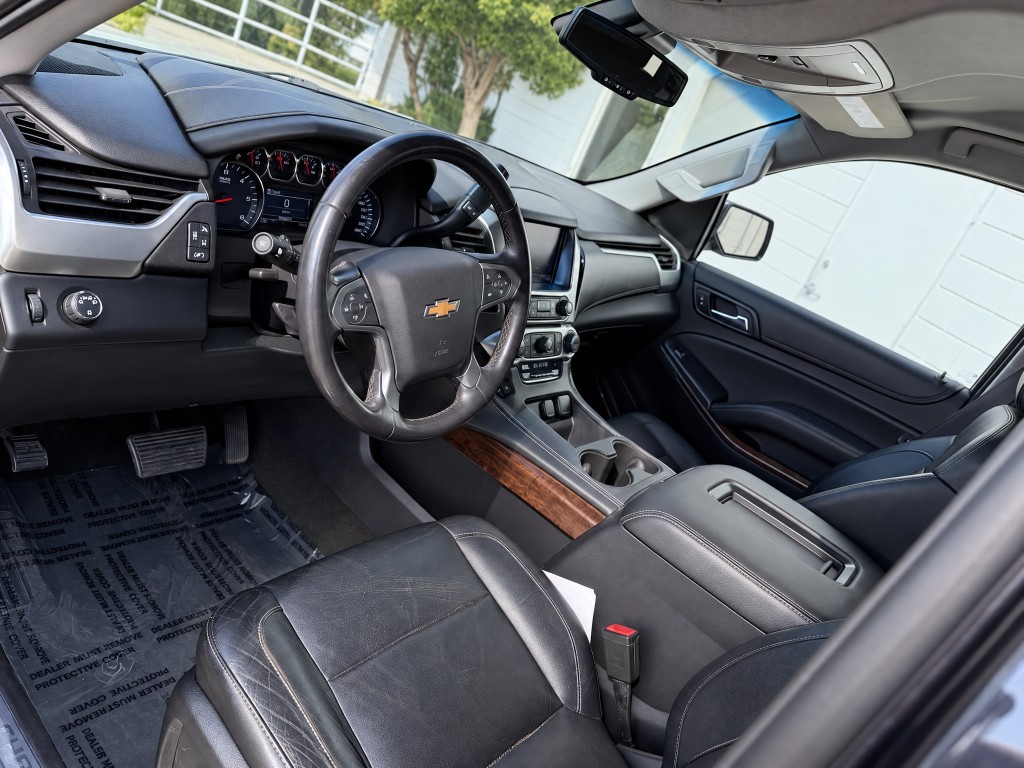
The hardest part of AI vehicle photography isn't the showroom — it's the car. A used vehicle has creases in the leather, marks on the trim and wear that a buyer deserves to see. Generic AI tools tend to "improve" these away. Listwyse is built the other way round.
Our proprietary pipeline sorts every photo by angle, references each generated image to your own photos of that specific vehicle, and holds number plates, badges and screens as photographed. For used stock, the "Keep every mark" setting tells it to leave wear exactly where it is while it fixes the light and the framing.
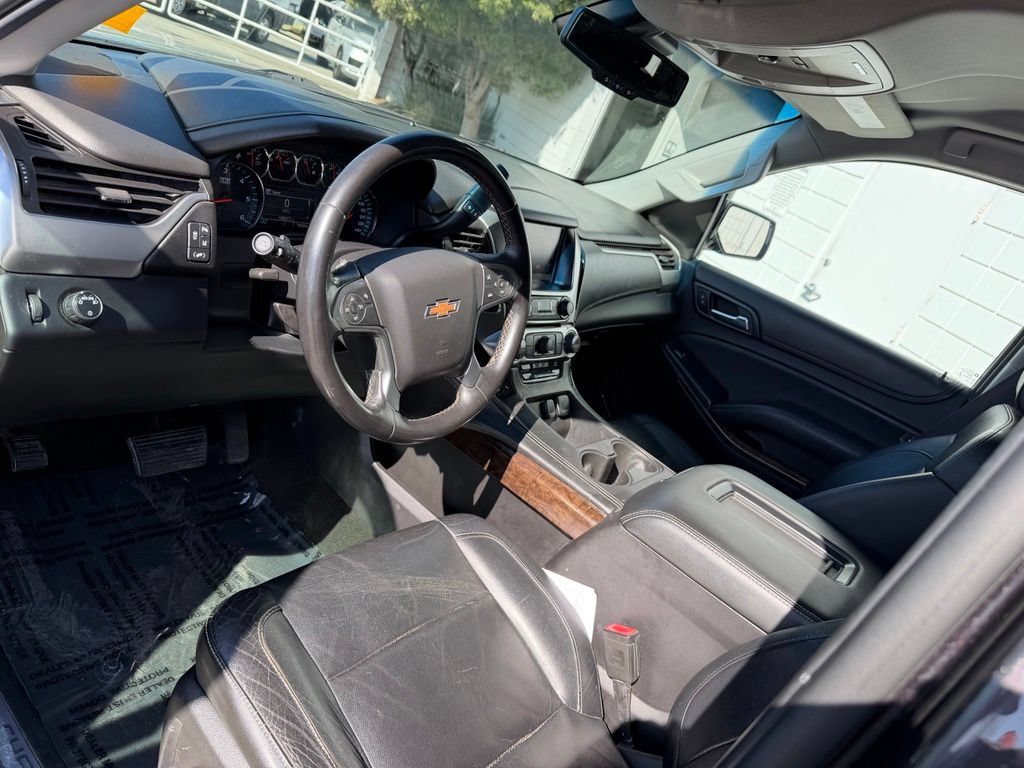
It isn't flawless — once in a while a small detail such as a badge or on-screen text needs a quick re-run — but it does a very good job of keeping a used car looking like itself, which is exactly what the rules below ask for.
Three kinds of AI edit
It helps to separate what AI is actually doing in a listing:
| Edit | Example | Recommended label |
|---|---|---|
| Photographic retouch | Glare, reflections, exposure, framing | Optional — "Photos retouched" |
| Generated setting | Real car placed in a virtual or rebuilt showroom | "Showroom background created with AI" |
| Generated motion | A film built from photos of the car | "Video created with AI" |
The one line never to cross in any market is changing the vehicle itself — its condition, colour, trim, wheels or equipment. Listwyse is designed not to, and your settings keep it that way.
The rules in your market
European Union
- The EU AI Act (Regulation (EU) 2024/1689) treats vehicle marketing imagery as limited risk: no bans, no high-risk obligations — just transparency under Article 50.
- Providers of generative AI tools, like Listwyse, mark outputs as AI-generated in machine-readable form. Listwyse embeds this in every image and film automatically.
- Businesses publishing AI-generated images that could be mistaken for real scenes should say so. A short visible label near the gallery does the job.
- EU consumer law (the Unfair Commercial Practices Directive) already prohibits misleading listings, whichever tool made the image.
United Kingdom
- There's no AI-specific labelling law. The Digital Markets, Competition and Consumers Act 2024 prohibits misleading actions and omissions, and the Advertising Standards Authority applies the CAP Code to online listings.
- In practice: show the car accurately and make clear when the setting isn't real.
United States
- There's no federal AI-labelling rule for vehicle photos. Section 5 of the FTC Act prohibits deceptive practices, and each state has its own consumer-protection (UDAP) law.
- Vehicle advertising has long had close attention from the FTC and state attorneys general, so the same principle applies: an accurate car, and a clear label on generated scenes.
One approach covers all three markets: the car in the listing is the car on the lot, and AI-generated scenes are labelled.
Copy-ready disclosure wording
Short, specific and close to the images works best. Pick the line that matches what you did:
Actual vehicle shown. Showroom background created with AI.
Photographed on our lot. Lighting and reflections retouched; vehicle condition unchanged.
Video created with AI from photos of this vehicle.
Images show this exact vehicle in a digitally created setting.
What Listwyse handles, and what you decide
| Listwyse handles | You decide |
|---|---|
| Keeping the vehicle true to your photos | Which images and films to publish |
| Plates, badges and screens held as shot | Whether to show dealer display plates |
| Wear kept on used stock ("Keep every mark") | How much tidying new stock gets |
| Machine-readable AI marking in every file | The visible label wording for your listings |
A quick glance through each set before it goes live is good practice with any photography — and with the rules above covered, it's all that's needed.
FAQ
Light retouching that doesn't change what the photo shows is generally low risk in the EU, UK and US. A short note is still good practice, and some marketplaces ask for it.
Not when the car is accurate and the setting is labelled. It only becomes a problem if buyers are led to believe the car is somewhere, or in a condition, that it isn't.
Yes — that's what the "Keep every mark" setting is for. Light, glare and framing are corrected while the vehicle's wear stays visible.
Close to the images — under the gallery or in the first lines of the description — and in the caption of social posts or ads that use the image or film.